Side-by-Side with Still Water: Encounters Along the Towpath
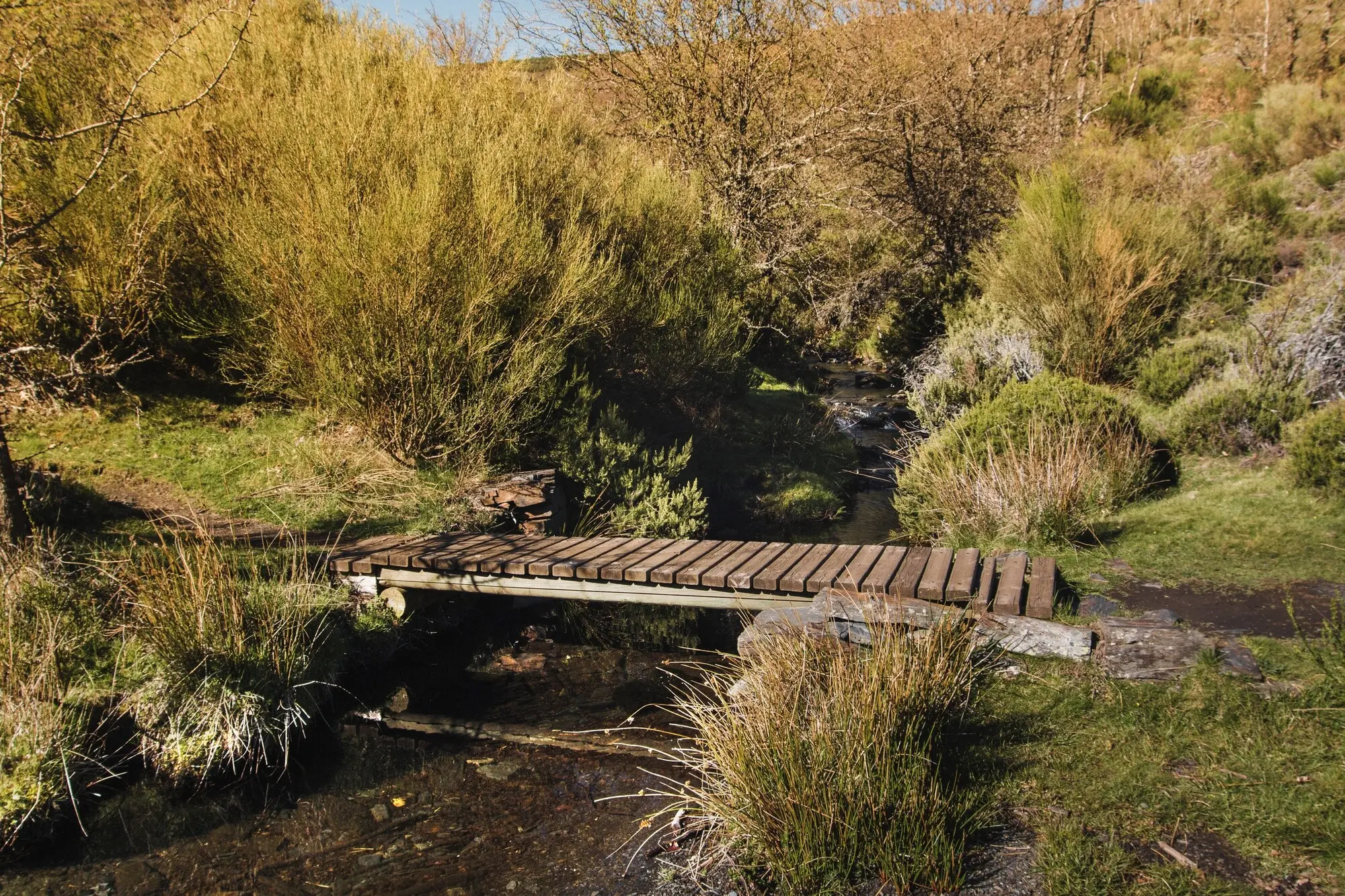
Join an unhurried wander where narrow waters mirror the sky and reeds whisper as boats drift past. Today, we immerse ourselves in wildlife watching along canals and towpath habitats, discovering patient birds, shy mammals, vibrant insects, and fragrant verge plants that weave a surprising, resilient corridor of life through city edges and quiet countryside.

Dawn Along Still Water

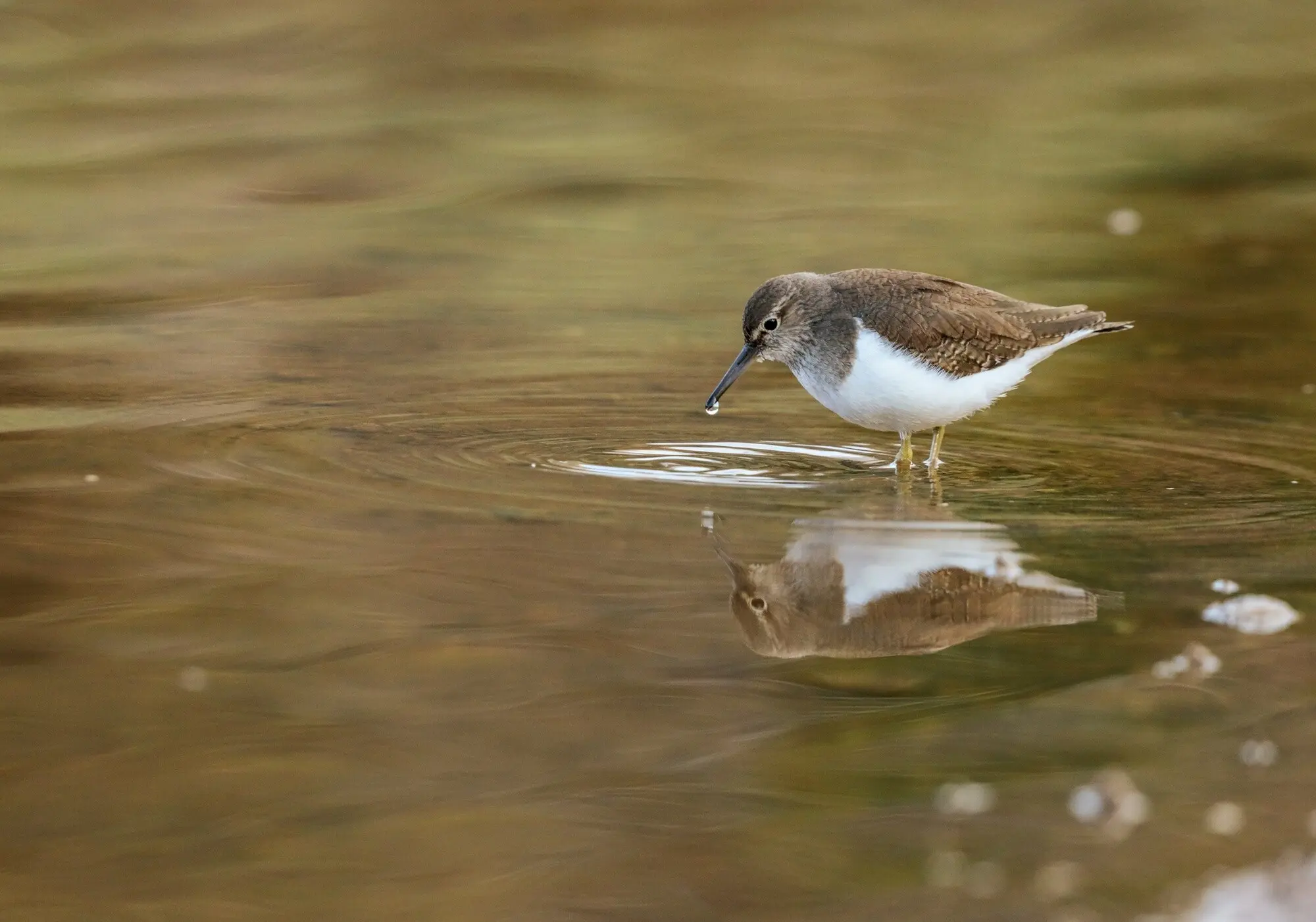
Early light softens brick and water, revealing delicate ripples that betray hidden movement beneath overhanging willow and moored hulls. Start before footsteps and bicycle bells stir the path, when kingfishers stake perches, herons unfold their slow hunt, and quiet observation rewards patience with intimate moments that feel both fleeting and deeply grounding.

Towpath Plants and the Lives They Shelter

Verge flowers and hedgerows turn a linear path into a generous larder. Nettles shield butterfly larvae, hawthorn feeds winter thrushes, and meadowsweet perfumes damp corners. By learning plants, you unlock stories of pollinators, seeds, and shelter, seeing how each patchwork clump forms stepping stones that carry delicate travelers through fragmented human landscapes.

Birdlife of Locks, Bridges, and Basins

Human engineering accidentally creates superb niches. Lock gates collect drifting food, bridge ledges break wind, and basins widen into feeding grounds. Birds learn these patterns intimately, turning quiet corners into dependable stages. By returning regularly, you will notice routines, rivals, and seasonal arrivals that transform familiar hardware into a living, breathing observational classroom.

Flash of Electric Blue

A sudden sapphire streak, a sharp peep, and the canal inhales. Kingfishers favor low perches above clear water, often repeating short patrols between reliable sticks. Wait motionless opposite their favorite lookout, avoid eye contact, and celebrate a dive by watching the surface tension snap, revealing a fish lifted like quicksilver into a waiting beak.

Herons, Egrets, and Patient Fishing

Grey herons become statues until the strike blurs reality. Little egrets stitch the shallows with yellow toes, stirring prey from silt. Study tide-like flows near lock outfalls and overflow weirs, where bait concentrates. Keep low behind parapets or shrubs, minimizing movement so these wary specialists accept your presence during their slow, intricate routines.

Mammals After Dusk

As daylight thins, the towpath changes hands. Daubenton’s bats skim the surface like silent skaters, water voles plop from bankside lawns, and otters write their presence with musky messages on flat stones. Bring a red-filtered torch, slow your pace, and listen as night stitches small sounds into coherent, unforgettable encounters.

Respectful Practice and Staying Safe

These paths are shared arteries for walkers, runners, anglers, boaters, dogs, and wildlife. Good manners and foresight protect everyone. Keep to the edge when space narrows, anticipate silent cyclists, and slow at blind bridges. Choose treaded footwear, carry a small first-aid kit, and favor curiosity over haste, ensuring moments unfold without needless risk.

01

Kindness on Narrow Paths

Offer space, signal intentions kindly, and thank those who wait. Keep dogs under close control near nesting birds and waterfowl, and avoid blocking tight pinch points around lock beams. When groups pause, step aside so others can pass. Small gestures ripple outward, preserving the generous, unhurried spirit that makes these corridors welcoming to all.

02

Low-Impact Watching

Let your presence fade to a trace. Do not playback songs near nests, avoid flash at night, and never approach roosts or burrows. Stick to firm paths, leave plants rooted, and pack out litter. If a creature changes behavior because of you, retreat immediately, then try again with more distance and quieter intent.

03

Prepared for the Unexpected

Carry light binoculars, a compact headlamp with a red mode, water, snacks, and a charged phone. In winter, add spare gloves, a neck buff, and hand warmers. Mark exits in case towpaths flood, and store emergency contacts. Preparation replaces worry, letting attention settle fully on ripples, rustles, and sudden, breathtaking apparitions.

Recording, Routes, and Community

Turning sightings into simple records deepens joy and helps conservation. Sketch a quick map, note time, weather, and behaviors, then share responsibly. Explore regular loops and occasional adventures to compare seasons. Connect with volunteers, anglers, and boaters, learning local patterns while offering curiosity, respect, and stories that invite others to care more fiercely.

Simple Field Notes That Matter

Carry a pocket notebook or use a nature app to capture species, numbers, and behaviors. Add photos of habitat rather than just close-ups. Submit records to platforms like iNaturalist, BirdTrack, or regional schemes to support data-driven management that can protect reed margins, mowing schedules, and quiet roosts along much-loved stretches.

Favourites to Try This Month

Seek a rural flight of locks at sunrise for herons and mist, an urban spur with emergent reeds for warblers, or an aqueduct viewpoint where swallows chase above reflective depths. Revisit after rain, frost, and calm evenings, comparing differences. Note benches, safe pull-outs, and discreet spots perfect for patient, undisturbed watching.
Palonexosavikentozoridari
Privacy Overview

This website uses cookies so that we can provide you with the best user experience possible. Cookie information is stored in your browser and performs functions such as recognising you when you return to our website and helping our team to understand which sections of the website you find most interesting and useful.